


If you're running a PPF installation shop, you've probably faced this question from customers more times than you can count: "What's the difference between self-healing and traditional paint protection film?" As an installer, your answer doesn't just affect customer satisfaction: it directly impacts your profitability, shop reputation, and long-term business success.
Let's break down the real differences between self-healing PPF and traditional films, and more importantly, which one makes the most sense for your installation business.
Understanding Self-Healing PPF Technology
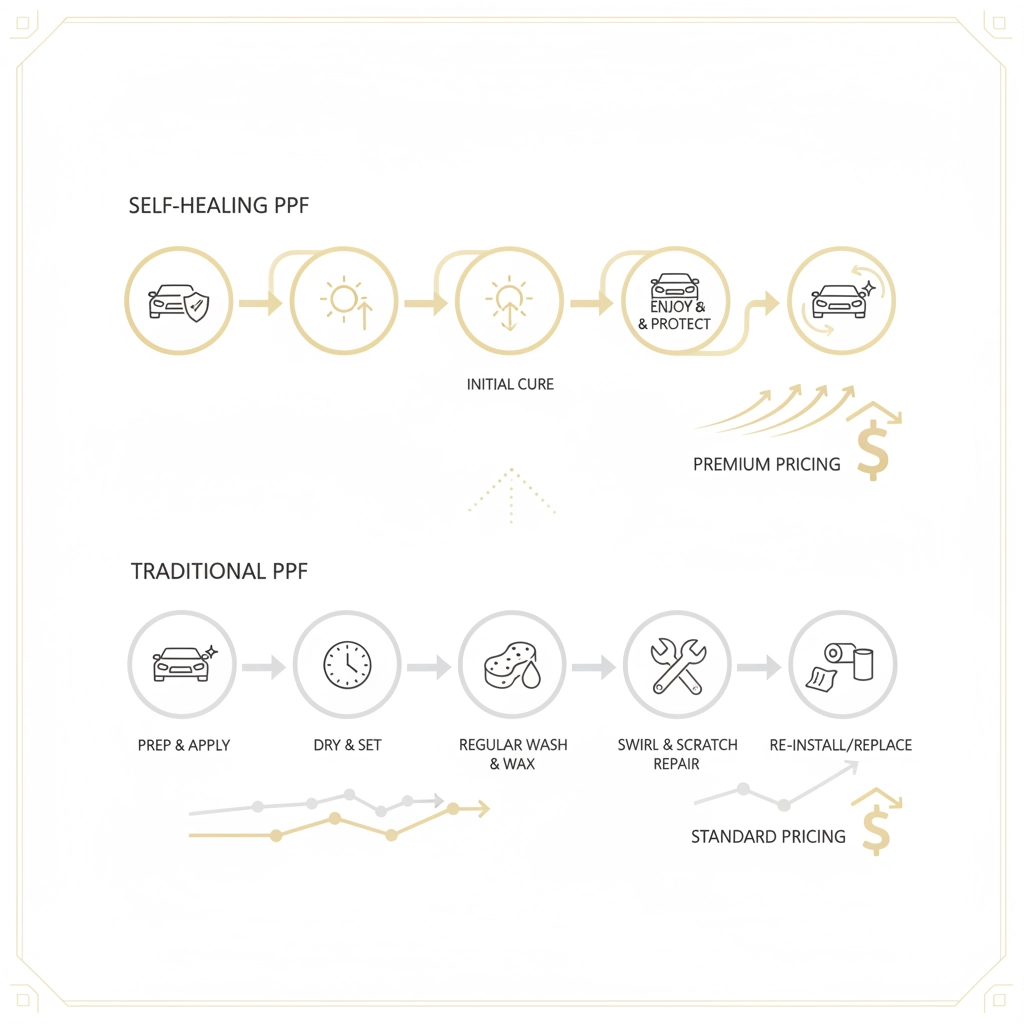
Self-healing PPF represents the cutting edge of paint protection technology. These films use advanced elastomeric polymers that literally heal themselves when exposed to heat. Got a light scratch from a shopping cart? A few minutes in the sun or a quick pass with a heat gun, and it's gone.
This isn't marketing magic: it's real chemistry. The polymer chains in self-healing films are designed to move and reconnect when heated, essentially erasing minor scratches and swirl marks. For your customers, this means their vehicles look pristine longer. For your business, this means fewer warranty calls and happier customers.

Self-healing films typically offer:
- 7-10 year lifespans with proper installation
- Superior optical clarity that maintains the original paint's appearance
- Hydrophobic properties that make washing easier
- Chemical resistance against bird droppings, bug splatter, and road salt
- Multiple finish options (gloss, matte, or satin)
Traditional PPF: The Established Option
Traditional paint protection film has been the industry standard for years, and modern versions are far superior to the yellowing, bubbling films of the past. These films provide solid protection against rock chips, scratches, and environmental damage without the self-healing capability.
For installation businesses, traditional PPF offers some distinct advantages:
- Lower material costs mean better margins on budget-conscious jobs
- Proven track record with established customer expectations
- Easier inventory management with fewer product variations
- Compatible with existing installation techniques and equipment
However, traditional films come with limitations that can impact your business. Once scratched, they stay scratched. This means more customer complaints, more warranty work, and potentially more frequent replacements.
The Business Impact Breakdown
Installation and Labor Considerations
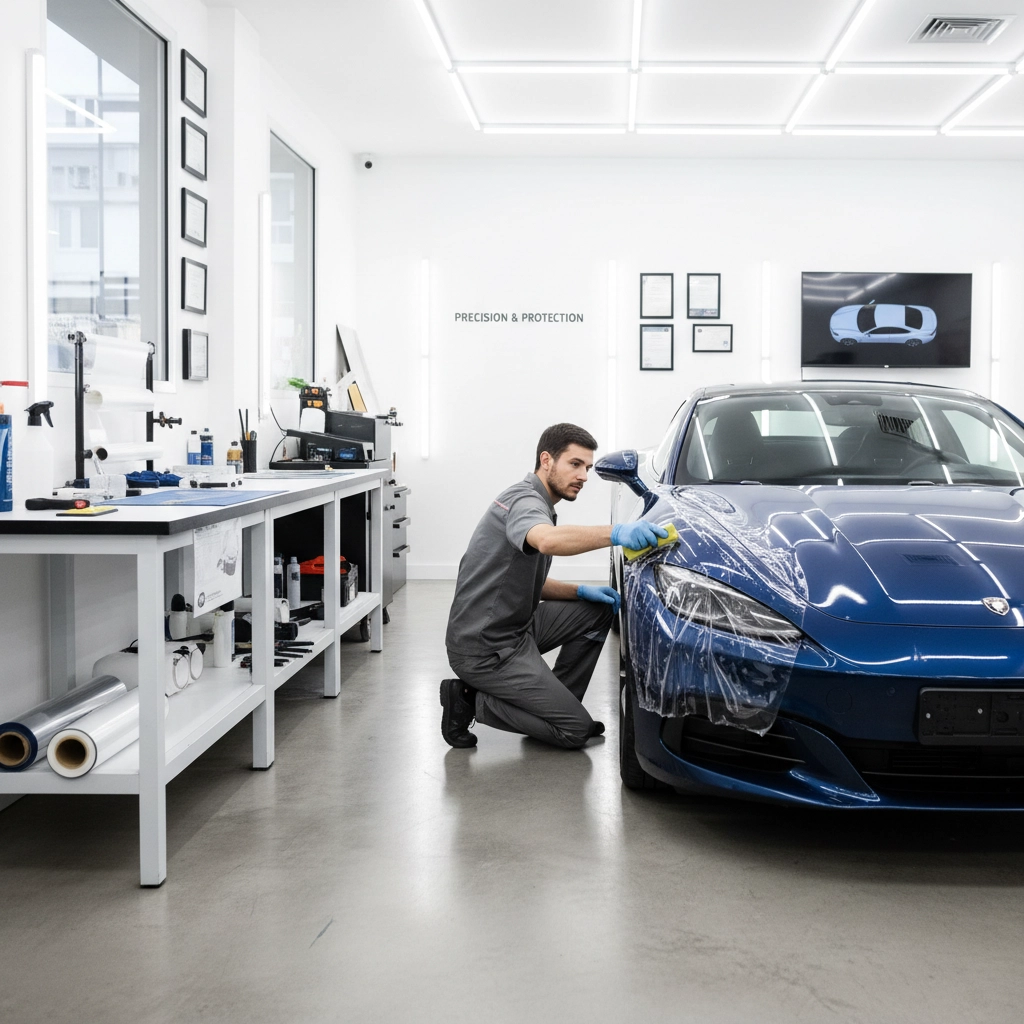
Both self-healing and traditional films require professional installation expertise, but there are some key differences that affect your operation:
Self-healing films demand more precision during installation. The advanced polymers can be more sensitive to installation temperature and require specific techniques to activate properly. Your team needs proper training, but once mastered, these films often provide more forgiving results during the installation process.
Traditional films are generally more straightforward to work with, making them ideal for newer installers or high-volume shops where speed matters more than premium features.
Customer Satisfaction and Retention
Here's where self-healing PPF really shines for your business. Customers who invest in self-healing protection films report significantly higher satisfaction rates. Why? Because their investment continues looking great years later.
Traditional film customers, on the other hand, may experience buyer's remorse when they notice permanent scratches or realize they need more frequent maintenance. This can lead to negative reviews and reduced referral business.
Profitability Analysis
The math on profitability isn't as straightforward as you might think:
Self-healing PPF commands premium pricing: typically 20-40% higher than traditional options. While material costs are higher, your profit margins per job often exceed traditional film installations. Plus, satisfied customers lead to more referrals and repeat business.
Traditional PPF offers lower material costs and faster installation times, allowing you to serve more customers daily. However, lower prices mean you need higher volume to maintain the same revenue levels.
Consider this: If you install self-healing PPF on 10 vehicles per month at $2,000 average vs. traditional PPF on 15 vehicles at $1,200 average, you're looking at $20,000 vs. $18,000 in monthly revenue: but with potentially less labor and overhead on the self-healing jobs.
Warranty and Service Implications
Your warranty policy becomes crucial when choosing between film types. Self-healing PPF naturally reduces warranty claims because minor scratches heal themselves. This means:
- Fewer customer callbacks
- Reduced warranty labor costs
- Better shop reputation for quality installations
- More time available for new installations rather than warranty work
Traditional films may require more warranty service, but they also create opportunities for maintenance packages and additional service revenue.
Market Positioning and Competition
The type of PPF you specialize in affects how you position your business in the market:
Self-healing PPF specialists can position themselves as premium installers, attracting luxury car owners, enthusiasts, and customers who view their vehicles as investments. This typically means higher-value jobs and more profitable customer relationships.
Traditional PPF focused shops can compete on value and accessibility, serving a broader market including fleet vehicles, daily drivers, and budget-conscious customers.
Making the Right Choice for Your Business
Choose Self-Healing PPF If:
- Your local market includes luxury vehicles and discerning owners
- You want to differentiate from competitors with premium offerings
- You're comfortable with higher material costs for better margins
- Customer satisfaction and referrals drive your business model
- You have experienced installers who can master advanced techniques
Stick with Traditional PPF If:
- You're serving price-sensitive markets or fleet customers
- High volume installation is your primary profit driver
- You're building initial market presence and need competitive pricing
- Your customer base prioritizes basic protection over advanced features
- You prefer predictable material costs and established supply chains
Consider a Hybrid Approach:
Many successful shops offer both options, letting customers choose based on their needs and budget. This strategy:
- Maximizes market coverage across different customer segments
- Provides upgrade opportunities for existing customers
- Creates clear good/better/best pricing tiers
- Reduces dependence on any single product line
The Future of PPF Installation Business
The paint protection film industry continues evolving rapidly. Self-healing technology is becoming more accessible, and customer awareness is growing. Installation shops that understand these trends and position themselves accordingly will have significant advantages.
Self-healing PPF represents where the industry is heading. Early adopters who build expertise now will be better positioned as this technology becomes mainstream. However, traditional films will likely remain relevant for specific market segments and applications.
Working with the Right PPF Supplier
Regardless of which film type you choose, partnering with a reliable paint protection film supplier makes all the difference. Look for suppliers who provide:
- Consistent product quality and availability
- Technical support and training resources
- Competitive pricing that supports your profit margins
- Marketing support to help you sell effectively
- Strong warranty backing for customer confidence
Your PPF supplier relationship directly impacts your PPF installer profitability and shop reputation. Choose partners who understand the installation business and support your success.
Bottom Line for Your Installation Business
The choice between self-healing and traditional PPF isn't just about the films themselves: it's about your business strategy, target market, and growth goals. Self-healing PPF offers premium positioning and higher customer satisfaction but requires investment in training and higher material costs. Traditional PPF provides accessible pricing and proven results but may limit your market positioning and profit potential.
Most successful installation shops find their sweet spot by understanding their local market, customer base, and business capabilities. Whether you choose self-healing, traditional, or both, focus on delivering exceptional installation quality and customer service. That's what builds lasting PPF shop reputation and sustainable profitability.
The paint protection film industry offers tremendous opportunities for skilled installers. By choosing the right products for your market and executing installations flawlessly, you're positioning your business for long-term success in this growing industry.